Qualifications, explained properly
Clear, sourced guides to UK trade, retrofit, heat pump and teaching qualifications: what the rules actually require, and how to get qualified.
 Functional Skills
English and Maths in Apprenticeships: What the Rules Require (2026 to 2027)
In England, apprentices aged 16 to 18 at the start must achieve English and maths to complete. For apprentices aged 19 or over it is optional and needs the employer's agreement. The rules, quoted.
 Functional Skills
 English Level 2: Reading, Writing and Speaking, Listening and Communicating
Functional Skills English Level 2 has three parts: reading, writing, and speaking, listening and communicating. You must pass all three at the same level. What each one tests and how it is marked.
 Functional Skills
 Maths Level 2: What Is in the Exam and How to Pass
Functional Skills maths Level 2 is a pass or fail exam lasting between 1 hour 45 minutes and 2 hours 30 minutes. A quarter of the marks are non-calculator. The topics, formulae and how to prepare.
 Teaching & training
How Long Does the AET Take, and Can You Do It Online?
The Level 3 Award in Education and Training has 48 guided learning hours and 120 hours of total qualification time. Theory can be studied remotely, but your teaching must be observed.
 Assessing & quality assurance
New Assessor Qualifications from September 2026: What Replaces the CAVA?
City & Guilds has revised its assessor qualifications from September 2026. The CAVA closes to new registrations on 31 December 2026. The seven new Level 3 qualifications, including remote assessing.
 Assessing & quality assurance
New IQA Qualifications from September 2026: What Is Changing at Level 4?
City & Guilds has revised its three Level 4 IQA qualifications from September 2026. The existing awards close to new registrations on 31 December 2026. New codes, hours and what to do.
 Functional Skills
Are Functional Skills Free for Adults? Who Qualifies in England (2026 to 2027)
Functional Skills English and maths are fully funded in England for adults aged 19 or over who meet the residency rules and do not hold GCSE grade 4 or equivalent. Income does not matter.
 Functional Skills
 Level 2 vs GCSE: Are They Equivalent and Who Accepts Them?
Functional Skills Level 2 is at the same framework level as GCSE grades 9 to 4, but it is pass or fail and tests practical use. Whether it is accepted in place of GCSE depends on who is asking.
 Functional Skills
What Are Functional Skills? English and Maths Qualifications Explained
Functional Skills are practical English and maths qualifications from Entry 1 to Level 2. Level 2 sits at the same level as GCSE grades 9 to 4. They are pass or fail, and free for many adults.
 ESOL & English
ESOL Exams: What Happens in the Speaking and Listening, Reading and Writing Tests
ESOL Skills for Life has three separate exams at each level: speaking and listening, reading, and writing. Formats and timings from Trinity College London, with examples from other awarding bodies.
 ESOL & English
ESOL or SELT? Which English Test You Need for a UK Visa, Settlement or Citizenship
A college ESOL certificate is not accepted for UK visas, settlement or citizenship. You need a Secure English Language Test (SELT) from an approved provider. Levels by route, from A1 to B2.
 ESOL & English
ESOL vs Functional Skills English vs GCSE English: Which One Do You Need?
ESOL teaches English as an additional language. Functional Skills tests practical English for work and life. GCSE is the school qualification. All reach Level 2, but they are not interchangeable.
 ESOL & English
ESOL Levels Explained: Entry 1 to Level 2 and How They Compare with A1 to C1
ESOL has five levels: Entry 1, Entry 2, Entry 3, Level 1 and Level 2. They are notionally matched to CEFR A1 to C1, but Ofqual research found pass standards can sit lower. What each level means.
 ESOL & English
Is ESOL Free? Who Gets Funded ESOL Courses in England (2026 to 2027)
ESOL is free in England if you are 19 or over, meet the residency rules and are unemployed or earn under £26,800 a year. Above that it is co-funded. Who is and is not eligible, with sources.
 ESOL & English
What Is ESOL? A Guide to English Courses and Qualifications for Adults in England
ESOL means English for Speakers of Other Languages. Courses run from Entry 1 to Level 2, cover speaking, listening, reading and writing, and are free for many adults in England. How to start.
 CSCS & site cards
How to Get a Blue CSCS Card: The NVQ Route for Trainees and Experienced Workers
A Blue Skilled Worker card needs a construction NVQ or SVQ level 2. Experienced workers can be assessed on site without going to college and hold a one-year Experienced Worker card meanwhile.
 CSCS & site cards
The CSCS Labourer Card (Green Card): Requirements, Level 1 Award and Renewal
The CSCS Labourer card needs the Level 1 Award in Health and Safety in a Construction Environment and the CITB operatives test. The first card lasts two years. Full requirements and renewal rules.
 CSCS & site cards
Is a CSCS Card a Legal Requirement? Who Needs One and Who Does Not
No. CSCS says holding a card is not a legislative requirement. The law requires workers to have the right skills, knowledge, training and experience, and the principal contractor decides site access.
 CSCS & site cards
The CITB Health, Safety and Environment Test: Cost, Format and How to Pass
The CITB HS&E test costs £23.50, has 50 questions in 45 minutes and a 90% pass mark (45 out of 50). Which version you need, how to book, what to revise and the cancellation rules.
 CSCS & site cards
CSCS Card Types Explained: All 13 Cards and Who They Are For
CSCS issues thirteen cards. Red cards are for people entering the industry, blue needs an NVQ level 2, gold an NVQ level 3, and black a management NVQ. Requirements and validity for each.
 CSCS & site cards
How to Get a CSCS Card in the UK: Step-by-Step Guide
To get a CSCS card you pass the CITB health, safety and environment test (£23.50), hold or register for the right qualification, and apply through the My CSCS app (£36). Full steps here.
 Security
Close Protection vs Door Supervision: Licences, Training and Switching
A close protection licence covers door supervisor and security guard work too, but needs 194 hours of training against 52. Here is how the two SIA licences compare.
 Security
How Long Does It Take to Get an SIA Licence?
Training takes 4 to 7 days plus a one-day first aid course. The SIA then decided 94.4% of applications within 25 working days in 2025-26. Here is the full timeline.
 Security
Can You Work in Security With a Criminal Record?
A criminal record does not automatically stop you getting an SIA licence. The SIA uses a published grid based on your sentence and how long ago it ended. Here is how it works.
 Security
Door Supervisor vs Security Guard: What's the Difference in Licensing?
A door supervisor licence also covers security guard work, but not the other way round. Here is the exact qualification difference and how SIA licence switching works.
 Security
How to Become an SIA Licensed Security Guard in the UK (2026 Guide)
You need five things for an SIA security guard licence: age 18+, an identity check, a criminal record check, right to work, and the Level 2 Award. Here's the real route, cost and timeline.
 Security
SIA Licence Cost and Renewal: What It Actually Costs
An SIA licence costs £204 and lasts 3 years, but renewal isn't just paperwork — you need a Level 2 refresher course and a valid first aid certificate. Here's the real process.
 Solar PV
Do You Need G98/G99 (DNO) Grid-Connection Knowledge to Install Solar PV?
Every solar PV installer must handle DNO notification, not just MCS certification. Here is what G98, G99 and G100 actually require, confirmed from National Grid's own pages.
 Solar PV
 Plus Battery Storage: What Extra Qualifications Are Needed?
Battery storage is a separate MCS technology from solar PV, governed by its own standard, MIS 3012. Here is what extra competency, standards and fire-safety rules actually apply.
 Solar PV
 Installer vs Electrician: Can an Electrician Add PV Without a Separate Qualification?
MCS doesn't legally mandate a named PV qualification for electricians, but Part P self-certification and your competent-person scheme still need a separate registration step. Here's what actually changes.
 Solar PV
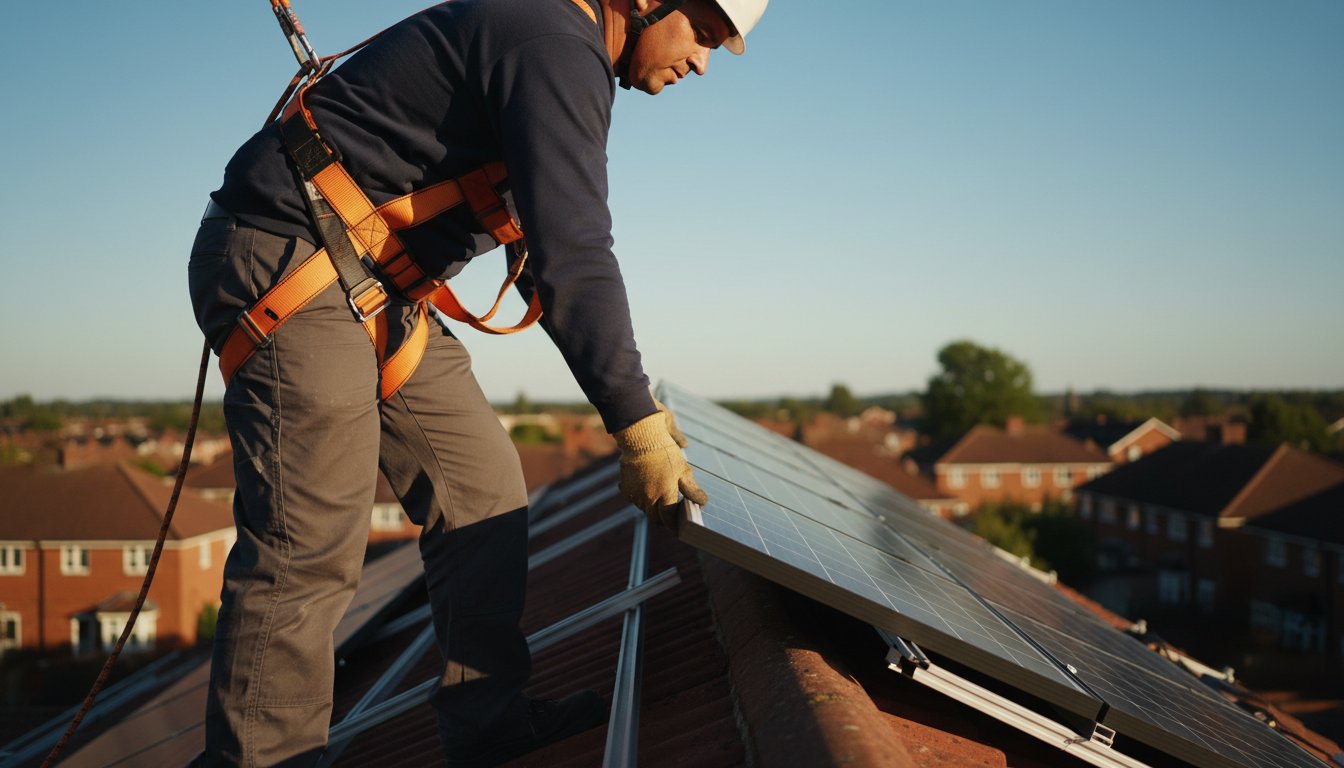
How to Become a Solar PV Installer in the UK (2026 Guide)
There's no single mandatory solar PV qualification in the UK — MCS accepts named entry-level awards, MCS-approved training, or an independent competency assessment. Here's the real route.
 Solar PV
MCS Certification for Solar PV Installers: Requirements and Process
MCS certification runs through independent certification bodies like NAPIT and NICEIC, not MCS directly. Here is the actual 7-step process, insurance requirements, and real published fees.
 Solar PV
What Qualifications Do You Need to Install Solar PV in the UK?
MCS names four entry-level solar PV awards but says none of them alone proves competence. Here's what each qualification covers and the other two routes MCS actually accepts.
 Gas
How Long Does It Take to Become a Gas Engineer?
The official minimum is 266 guided learning hours plus 675 hours of on-site experience, inside a 6-month-to-2-year window. Here is what training providers add on top, and why.
 Gas
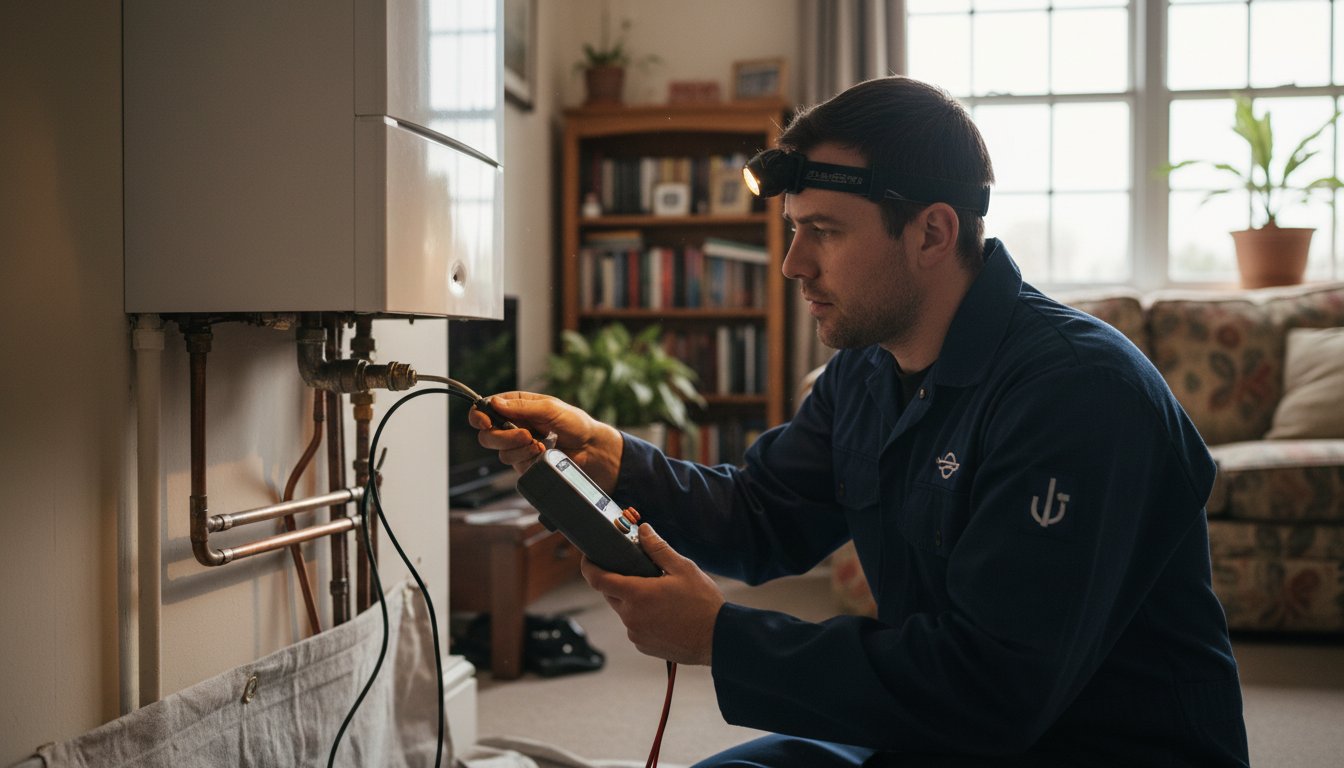
Is It Illegal to Do Gas Work Without Gas Safe Registration?
Carrying out gas work without being Gas Safe registered is a criminal offence under UK law. Here is the actual legislation, real prosecution cases, and how to check an engineer is registered.
 Gas
New Entrant Gas Courses: How to Spot a Legitimate Route
There's no official 'gas course scam' warning list, so here is how to actually verify a new-entrant gas course is recognised before you pay, using IGEM's own training provider directory.
 Gas
What Is ACS Gas Assessment, and Which Categories Do You Need?
ACS is the core and appliance-specific competence assessment behind Gas Safe registration. Here are the actual category codes, which ones you need for boiler work, and how long they last.
 Assessing & quality assurance
Assessing Competence in the Work Environment vs Assessing Vocationally Related Achievement: Which Assessor Award?
6317-31 assesses real work on real jobs. 6317-32 assesses skills off the job, in a workshop or classroom. Here is how the two Level 3 assessor awards differ, and which the CAVA combines.
 Gas
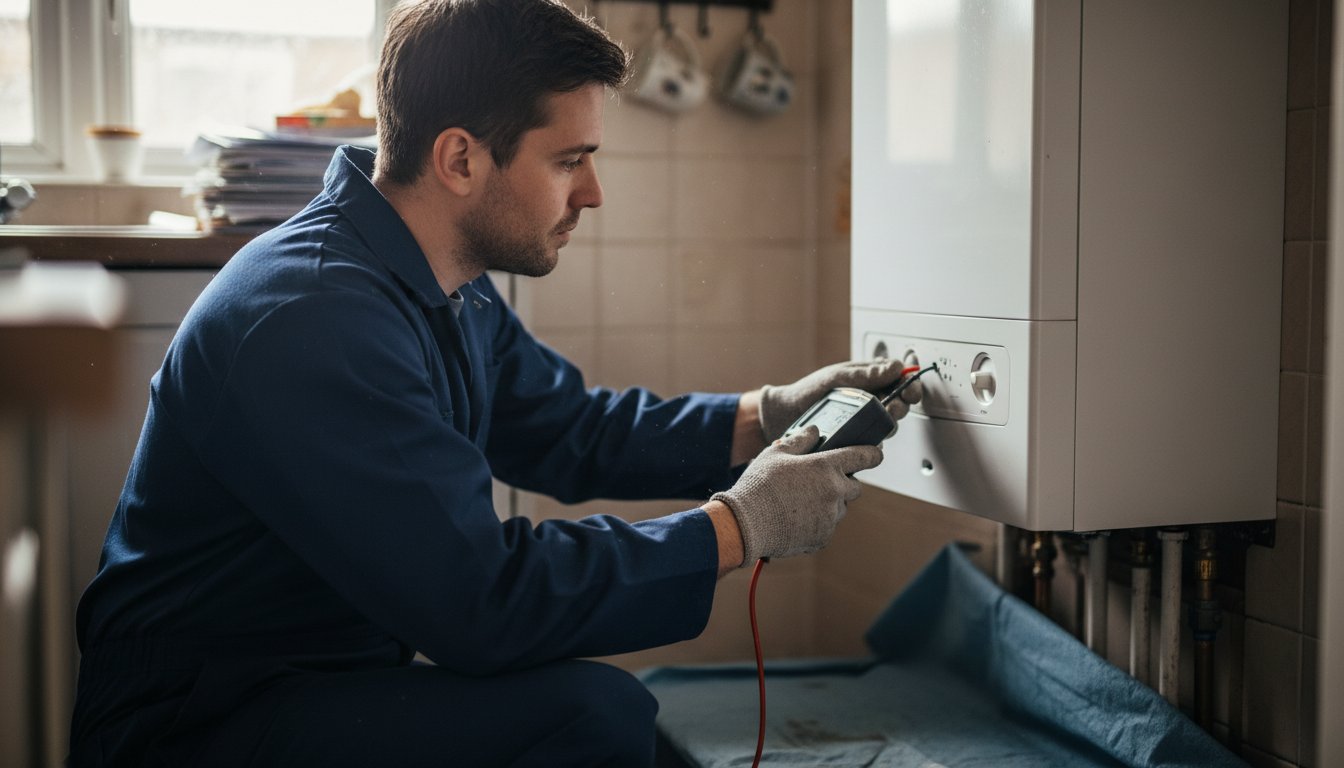
How to Become a Gas Safe Registered Engineer in the UK (2026 Guide)
To work on gas legally in the UK you need recognised qualifications and evidence of competence, sent to Gas Safe Register by your awarding body. Here is the real route, cost and timeline.
 Retrofit & insulation
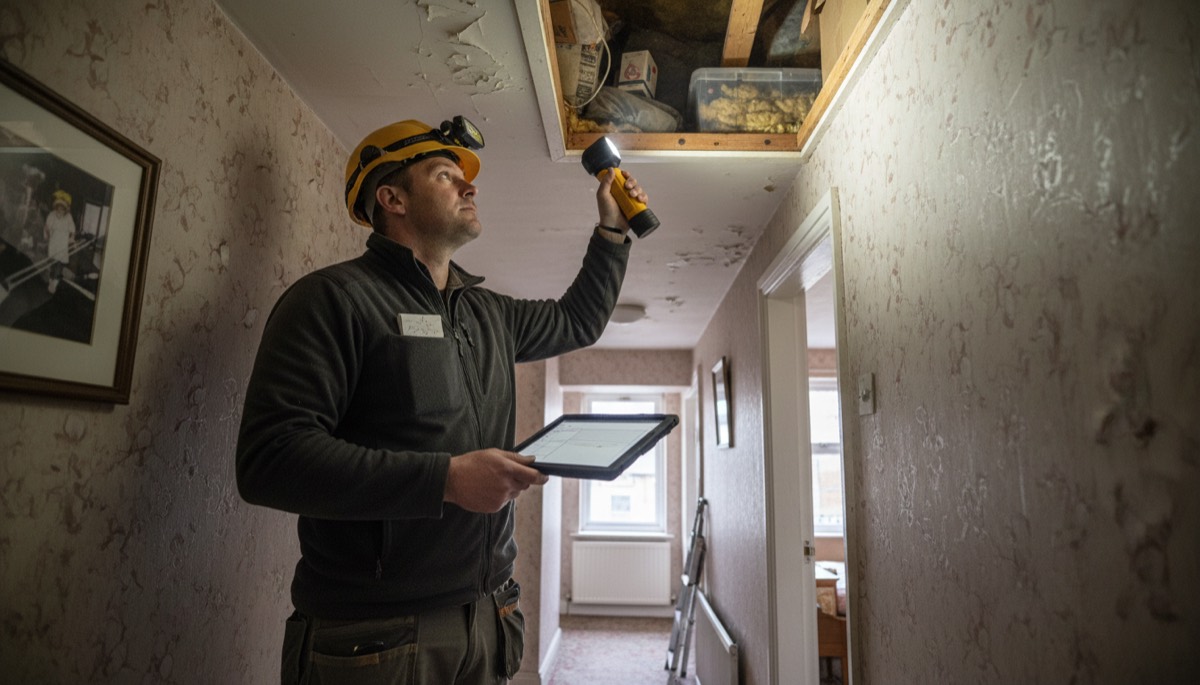
How to Become a Retrofit Assessor (PAS 2035)
A retrofit assessor surveys a home and produces its PAS 2035 condition report. Here is the ABBE Level 3 qualification, its units, and how the role fits with a DEA and a retrofit coordinator.
 Electrical
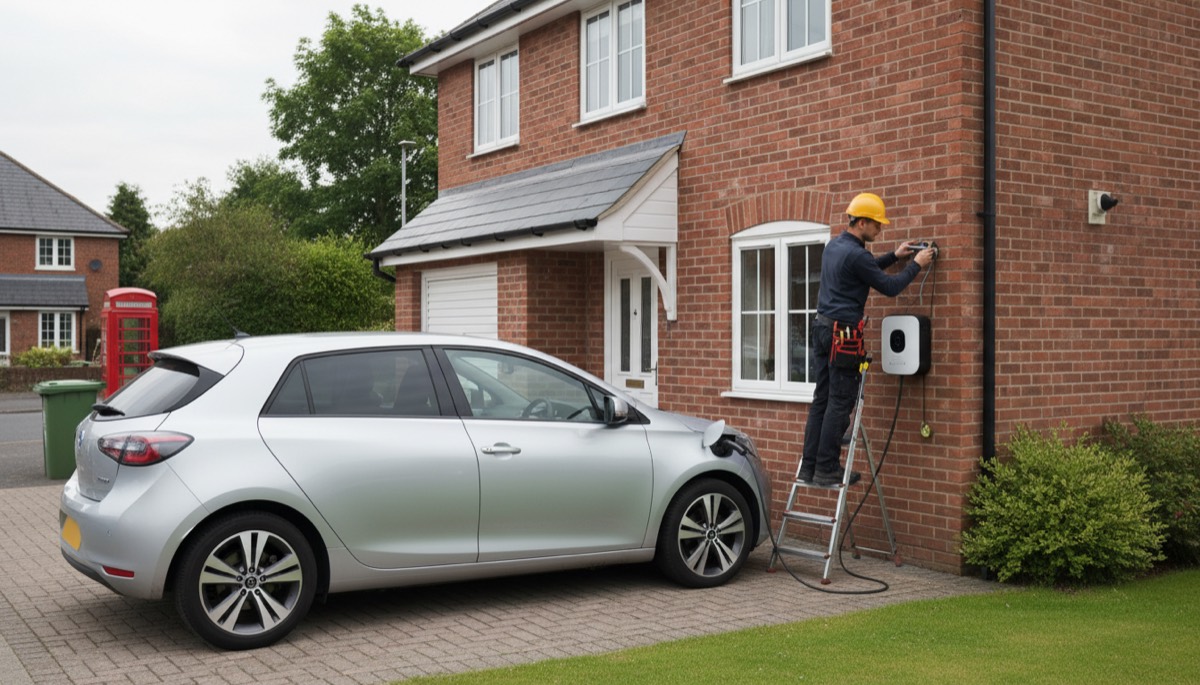
How to Become an EV Charger Installer in the UK
You need to be a qualified electrician first, then take a City & Guilds 2921 EV charging qualification. Here is which one, what it covers, and how it fits competent person scheme rules.
 Retrofit & insulation
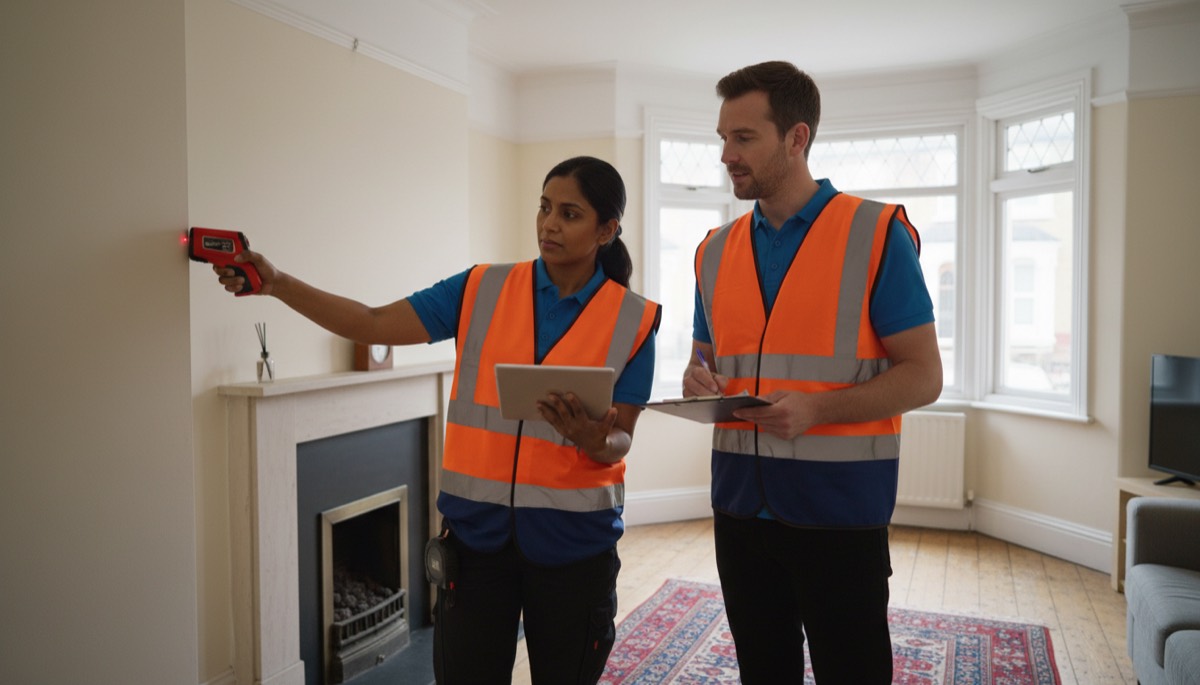
How to Become a Domestic Energy Assessor (DEA) in the UK
To become a DEA you complete a Level 3 Certificate in Domestic Energy Assessment, then join an approved accreditation scheme. Here is the route, the rules, the pay and the 2027 EPC changes.
 Assessing & quality assurance
How to Become an IQA: Experience, Evidence and Getting Your First Assessors
To become an IQA you need subject expertise, assessing experience and real assessors to quality-assure. Here is the route, the evidence you must produce, and how to get started.
 Assessing & quality assurance
Quality Nominee vs IQA: What's the Difference?
A quality nominee oversees quality assurance across a whole centre. An IQA checks assessors' decisions on specific qualifications. Here is how the two roles differ and overlap.
 Plumbing
Do Plumbers Need to Be Registered? Water Regulations and Competent Person Schemes
There is no general register plumbers must join, but gas work needs Gas Safe registration, and water and building rules decide when work must be notified. Here is how it works.
 Plumbing
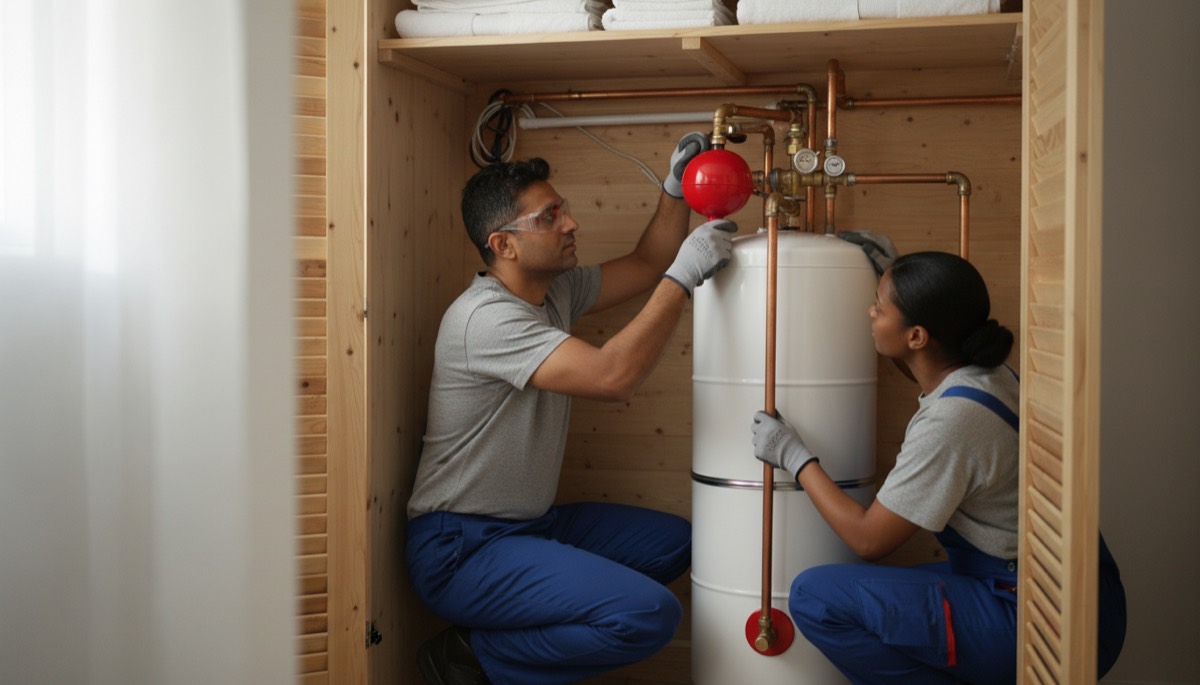
What Is the G3 Unvented Hot Water Qualification, and Who Needs It?
G3 is the Building Regulations requirement covering hot water safety. The G3 qualification shows you can install unvented cylinders safely. Here is who needs it and how it works.
 Plumbing
 NVQ: How the On-Site Portfolio and Assessment Works
A plumbing NVQ is assessed on real jobs. Here is what goes in the portfolio, what an assessor must see, the minimum evidence rules, and how to finish faster.
 Plumbing
Can You Become a Plumber as an Adult Without an Apprenticeship?
Yes. Adults can qualify through a plumber's mate job, a college diploma then NVQ, or the experienced worker route. All of them need real on-site work. Here is how.
 Plumbing
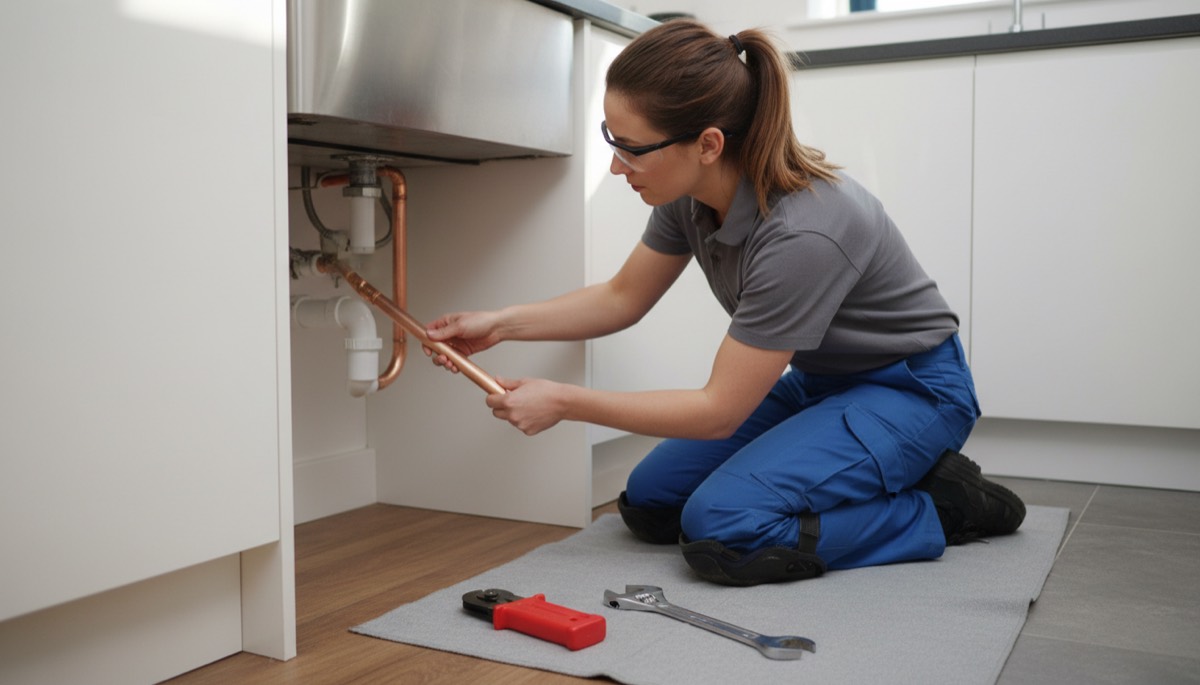
How to Become a Plumber in the UK: Qualifications, Routes and Costs
To become a qualified plumber you need a Level 2 or Level 3 NVQ Diploma or apprenticeship with real on-site evidence. Here are the routes, cards, costs and rules.
 Plumbing
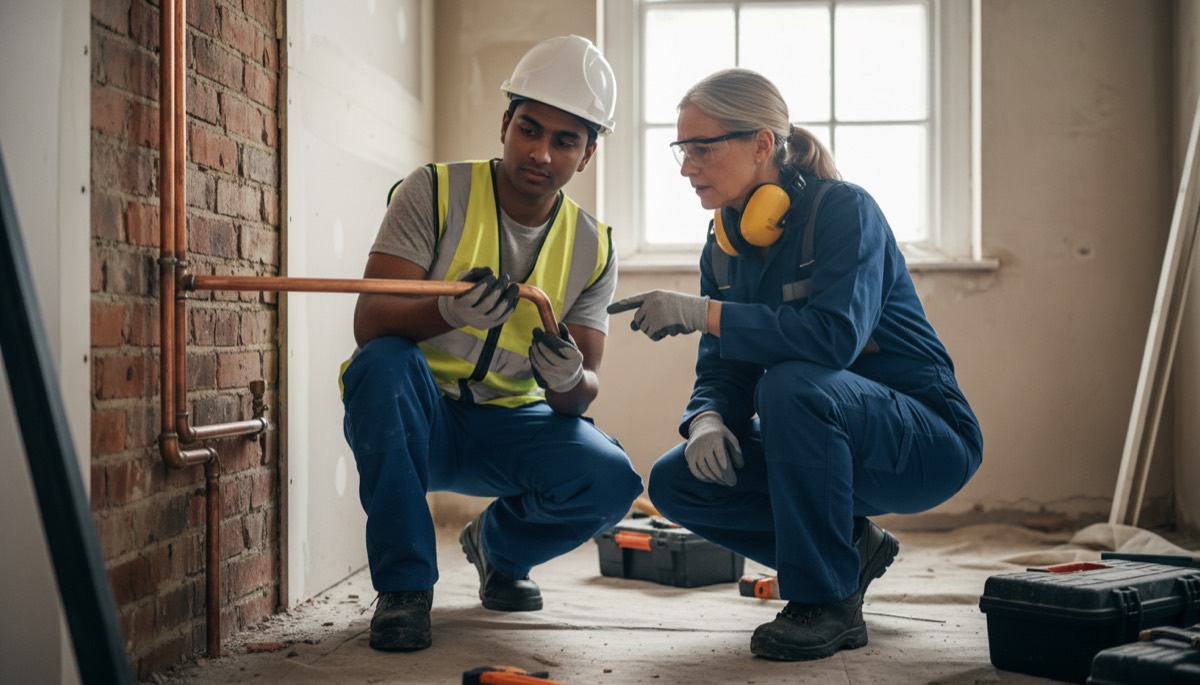
Level 2 vs Level 3 Plumbing Qualifications: Which Do You Actually Need?
Level 2 gets you a JIB-PMES Blue Card; Level 3 gets you Gold. But only NVQs count, not college diplomas. Here is which plumbing level you actually need, and why.
 Electrical
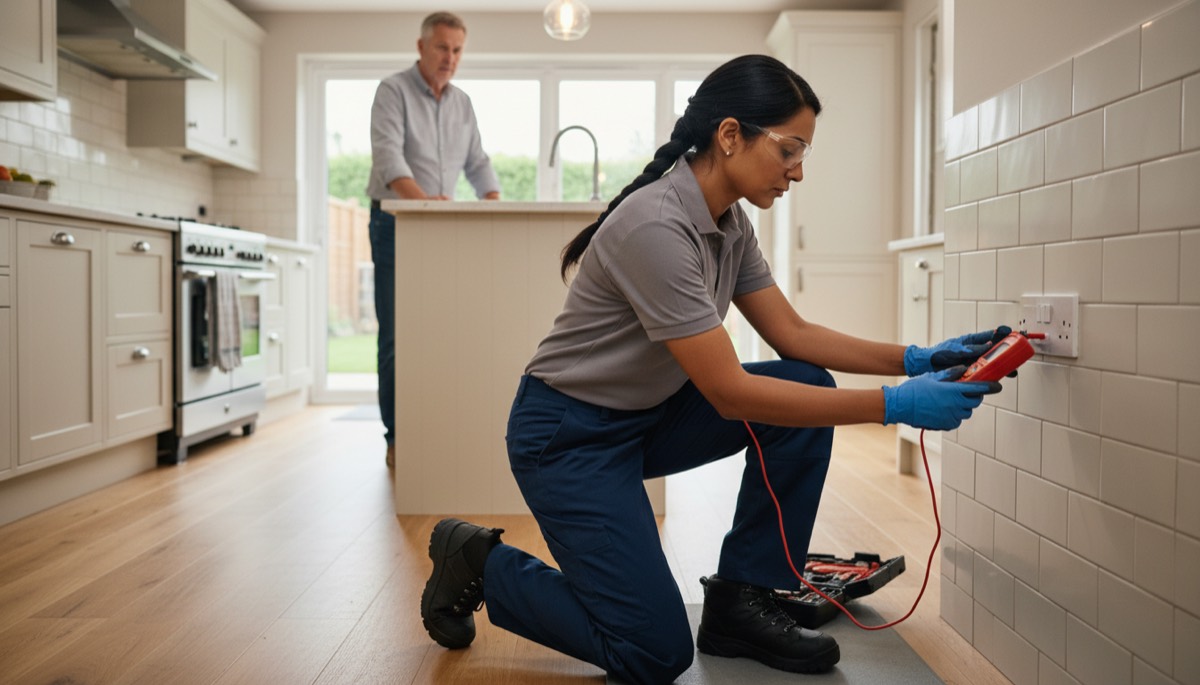
Domestic Installer vs Fully Qualified Electrician: What Can Each Legally Do?
Neither title is protected by law. What matters is competence, Part P and registration. Here is what a domestic installer and a fully qualified electrician can each do.
 Electrical
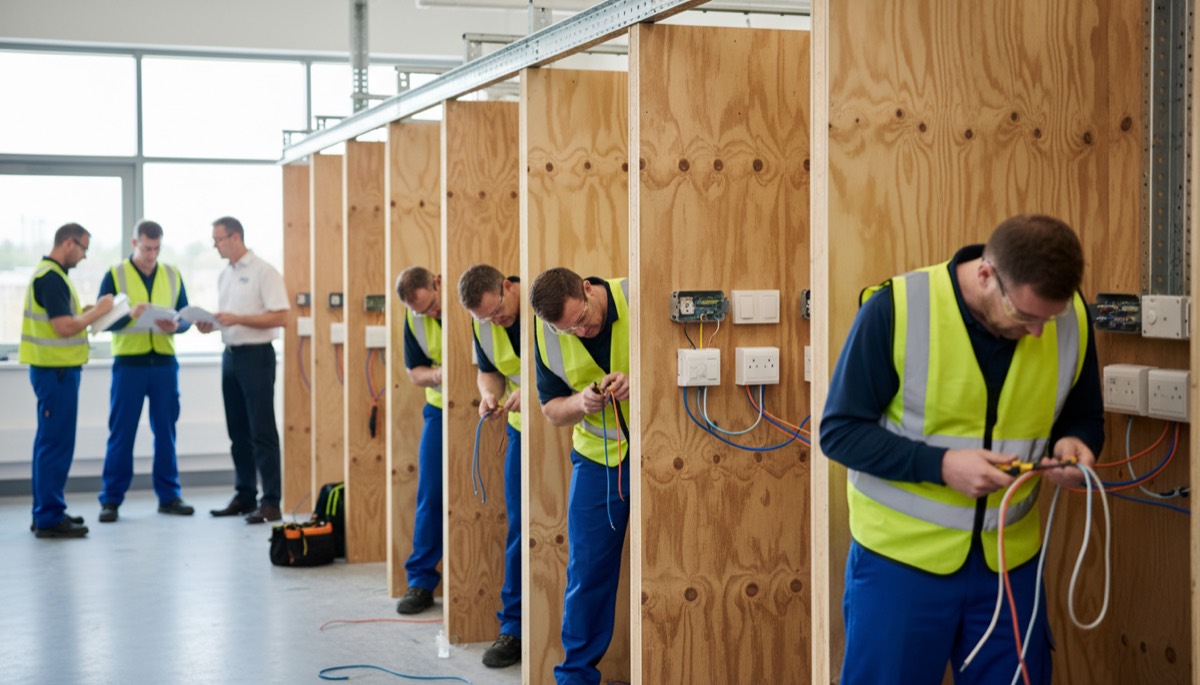
Beware "5-Week Electrician" Courses: What a Short Course Can and Can't Qualify You For
A short course cannot make you a qualified electrician. Here is what it can give you, what the ECS Gold Card really needs, and how to spot a rogue training package.
 Electrical
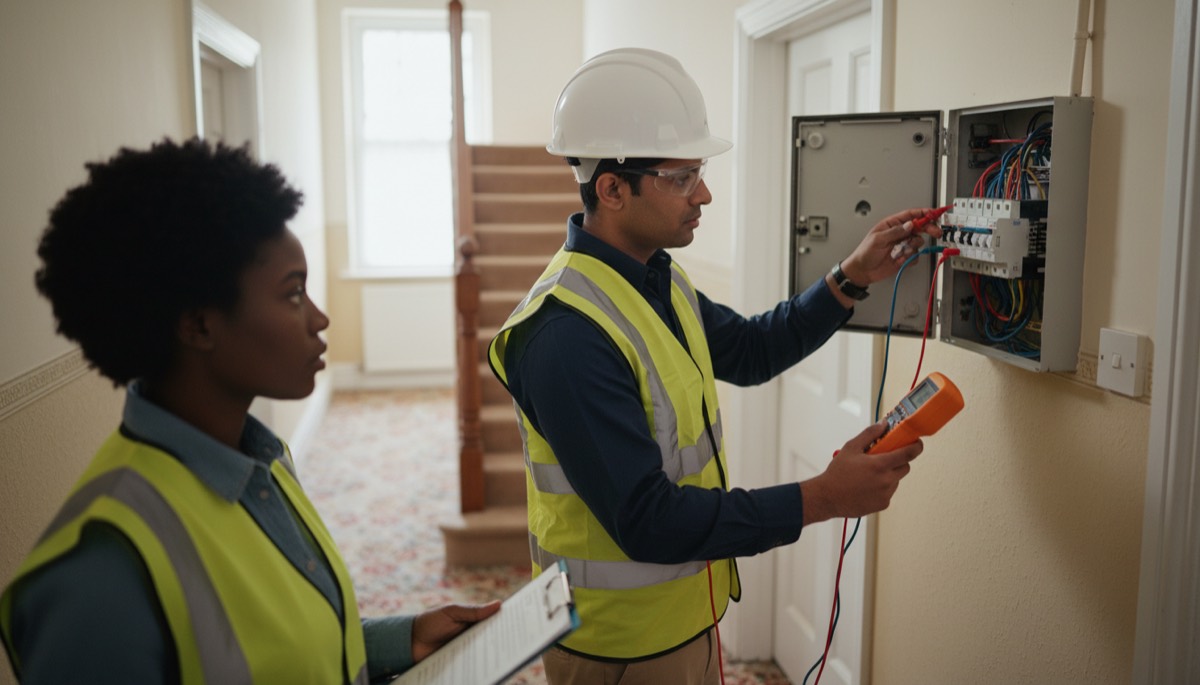
Inspection and Testing Qualifications (2391 and Alternatives) Explained
The City & Guilds 2391-52 covers initial verification and periodic inspection. Here is who needs 2391-50, 2391-51 or 2391-52, what the alternatives are, and what EICR work requires.
 Electrical
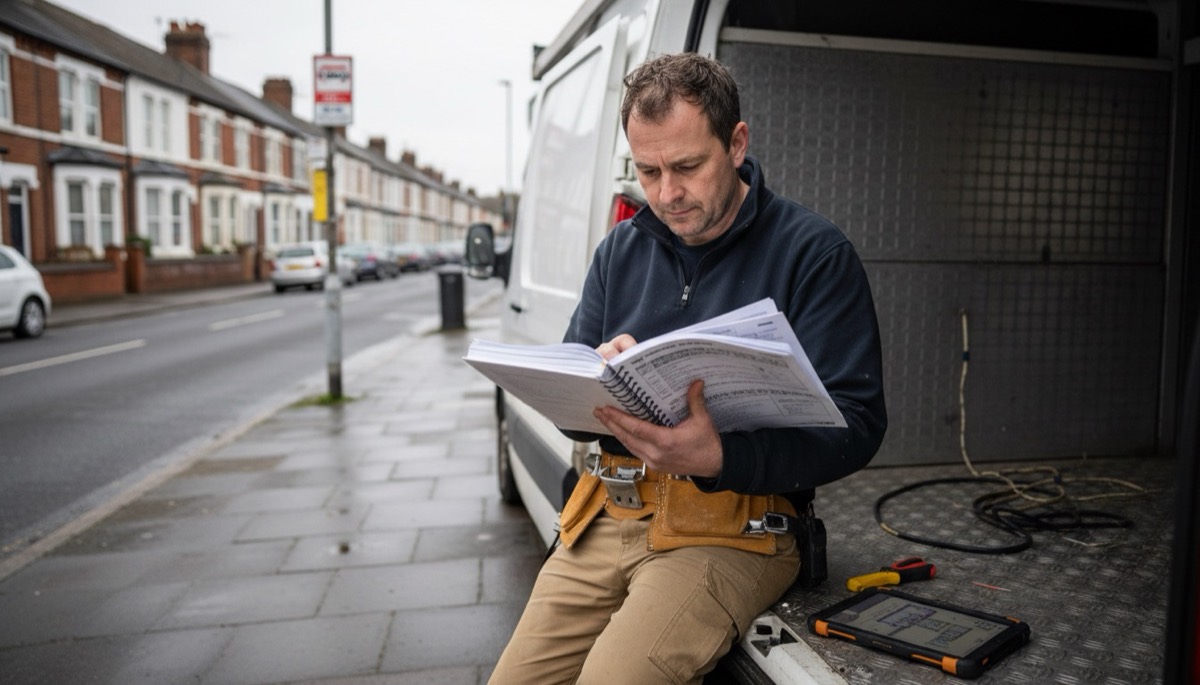
What Is the 18th Edition (BS 7671) Qualification, and Do You Need It?
The 18th Edition qualification tests your knowledge of BS 7671, the UK wiring regulations. Amendment 4 is now current, and the ECS Gold Card requires a recognised BS 7671 qualification.
 Electrical
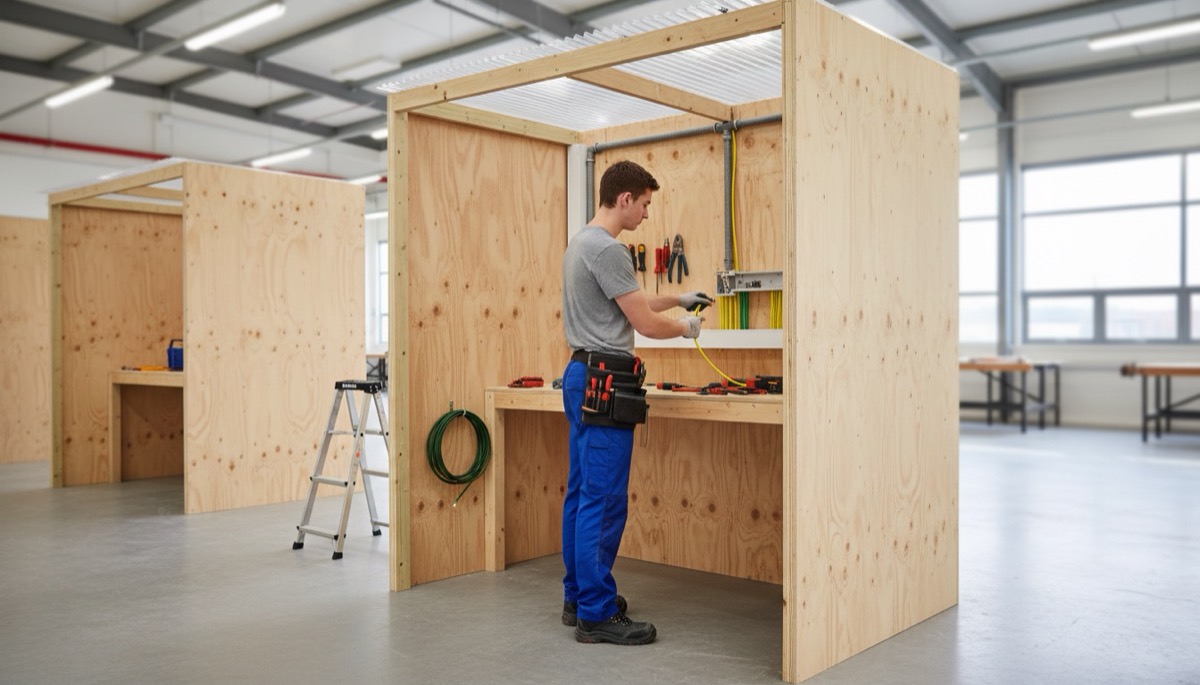
What Is the AM2 Assessment, and How Do You Pass It?
The AM2 is NET's practical assessment for electricians: safe isolation, a composite installation, inspection and testing, fault diagnosis and a knowledge test. Here's how to prepare.
 Electrical
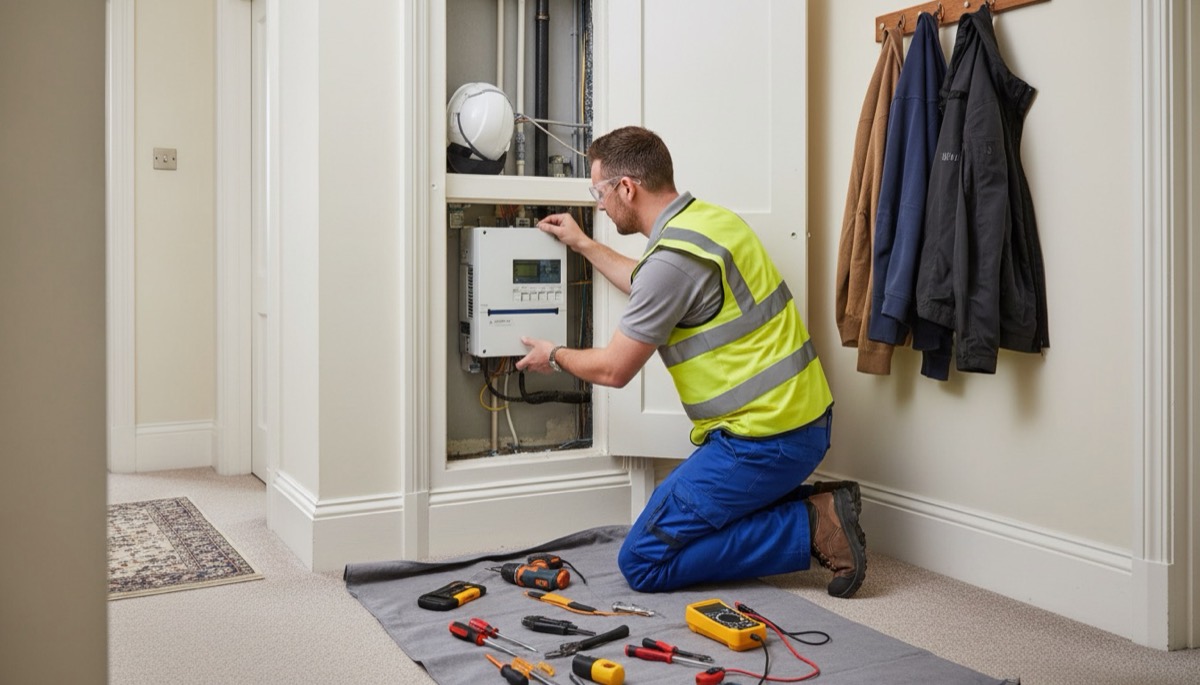
How to Become an Electrician in the UK: NVQ, AM2 and the ECS Gold Card Explained
To become a qualified electrician you need a Level 3 electrotechnical qualification, the AM2 practical assessment, a BS 7671 qualification and the ECS Health & Safety assessment.
 Heat pumps & low-carbon heating
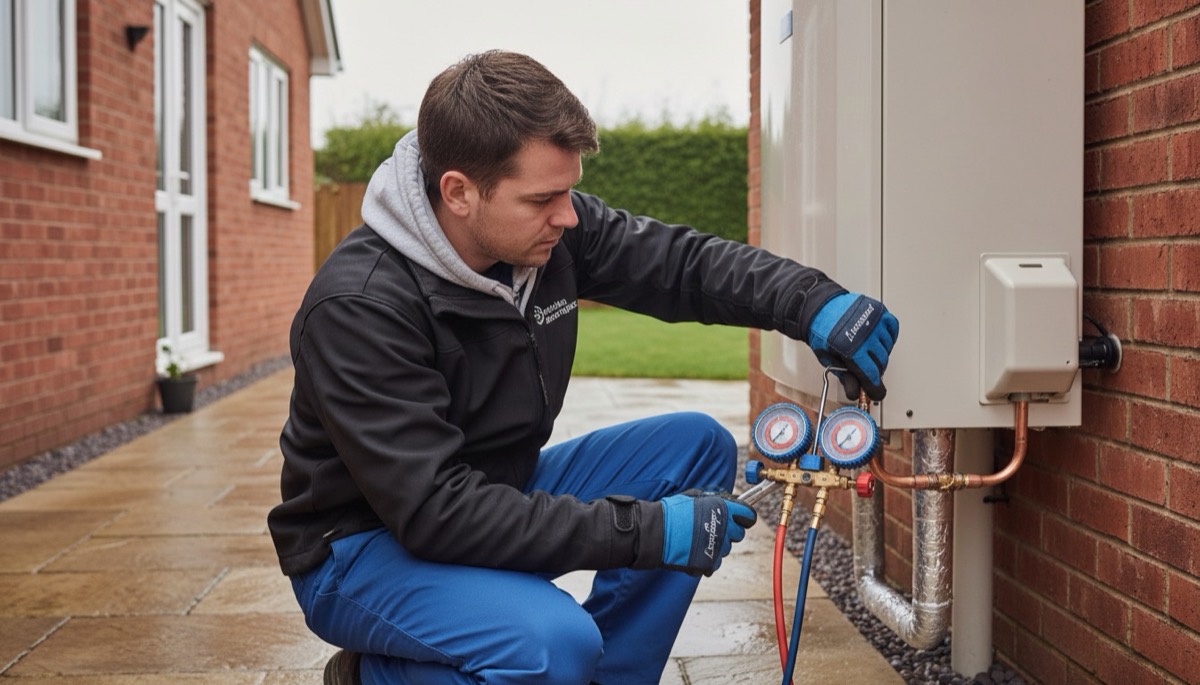
Do You Need F-Gas Certification to Install a Heat Pump?
You need F-gas certification to install split heat pumps, where refrigerant pipework is joined on site. Monobloc heat pumps are sealed and pre-charged, so they don't.
 Heat pumps & low-carbon heating
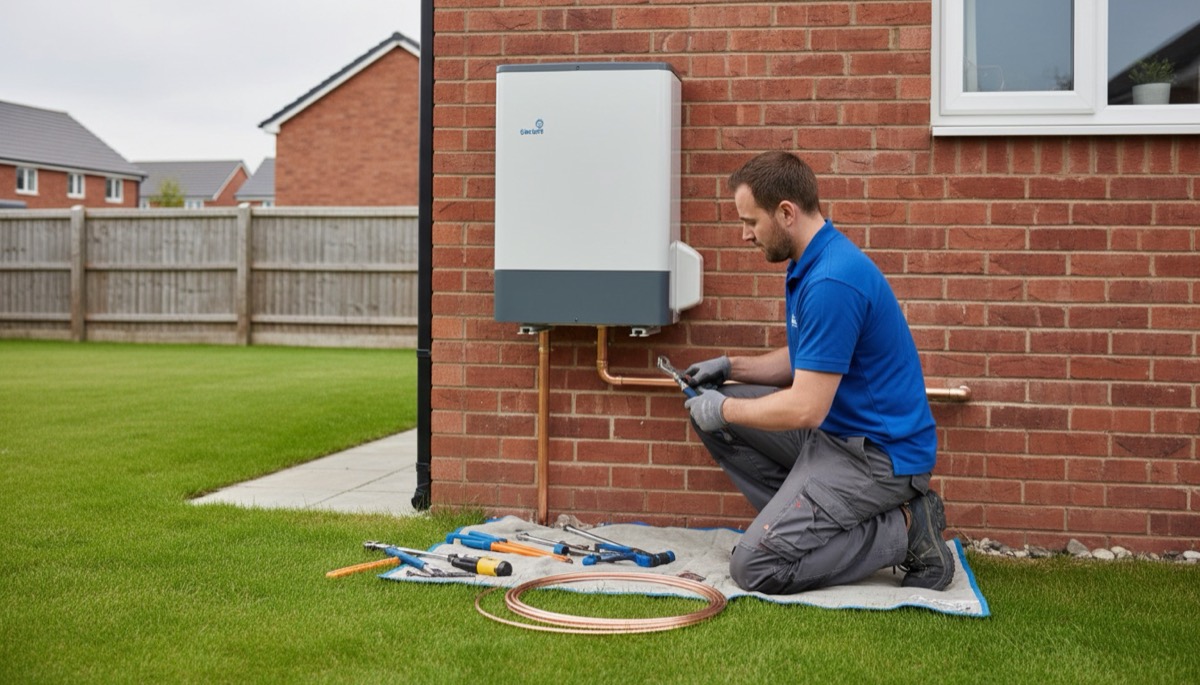
Gas Engineer to Heat Pump Installer: The Fastest Upskilling Route
Gas engineers already have the wet-heating skills heat pumps need. Add a Level 3 heat pump award, water and unvented tickets, and MCS to move into low-carbon heating.
Heat pumps & low-carbon heating
MCS Certification for Heat Pump Installers: Requirements and Process
To get MCS certified for heat pumps you apply through an MCS certification body, name a competent Nominated Technical Person, work to MIS 3005, and pass an assessment.
 Teaching & training
The AET Micro-Teach: What It Is and How to Prepare
The AET micro-teach is a short observed teaching session, often 15–30 minutes. Here's what assessors look for, what to prepare, and how to pass it first time.
 Heat pumps & low-carbon heating
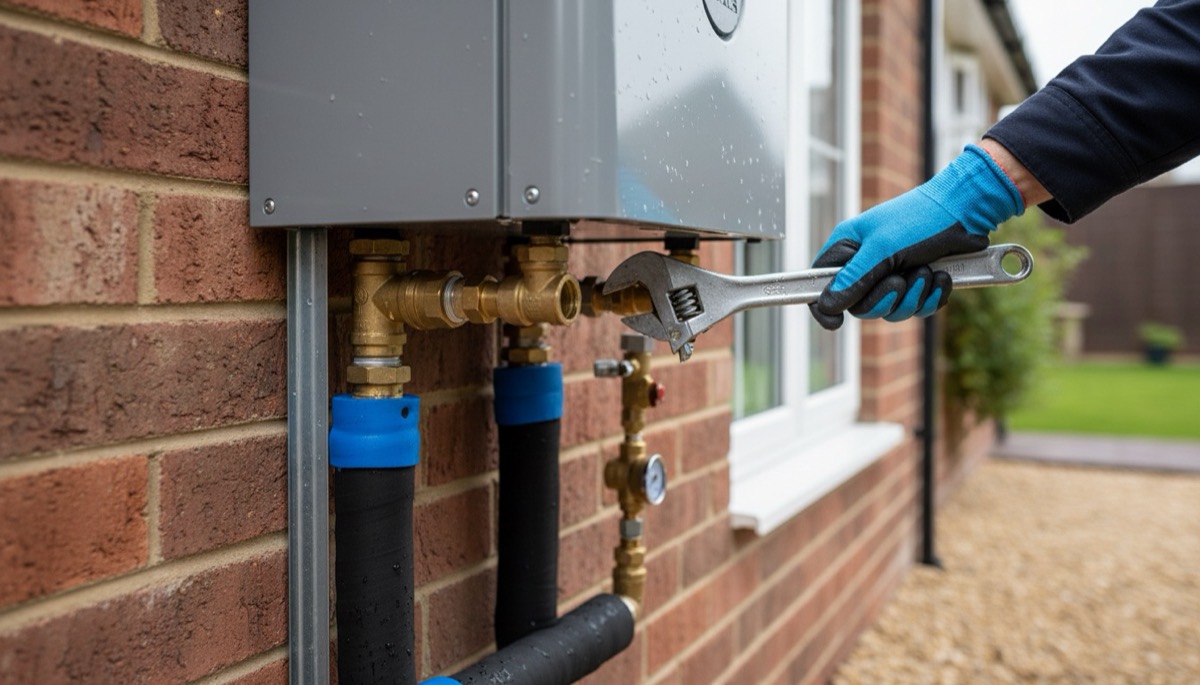
What Qualifications Do You Need to Install Air Source Heat Pumps?
To install air source heat pumps you need a Level 3 heat pump award, water regulations and unvented (G3) tickets, a plumbing/heating base, and MCS for grant work.
 Heat pumps & low-carbon heating
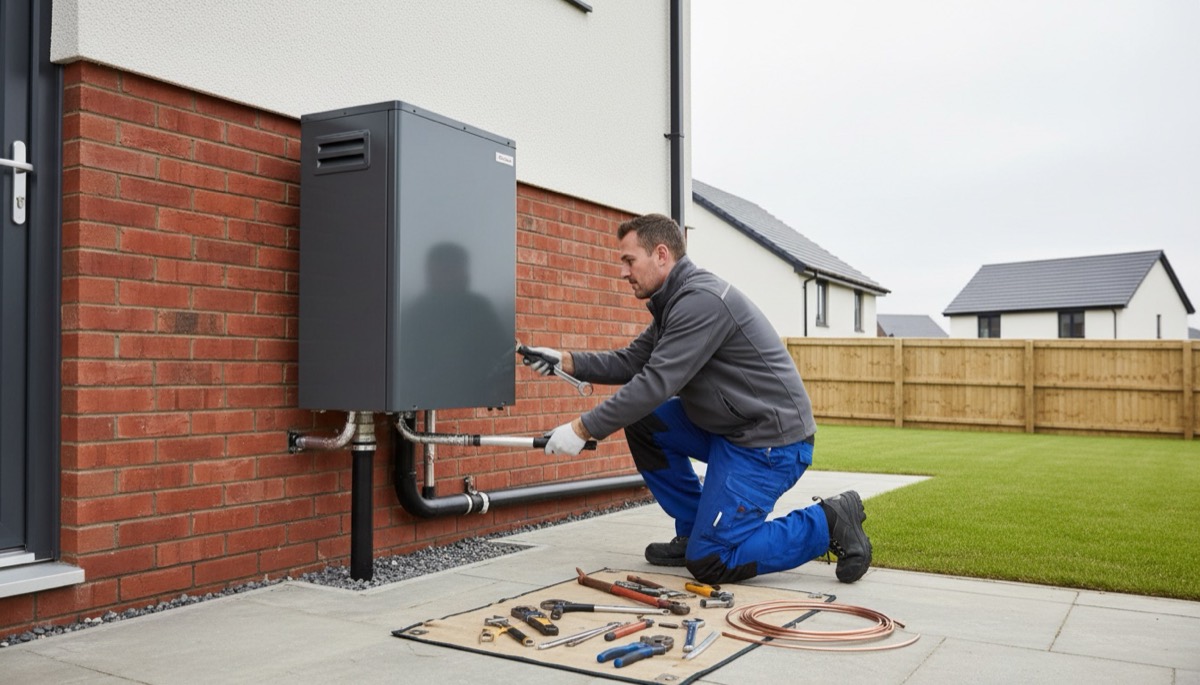
How to Become a Heat Pump Installer in the UK
To install heat pumps for grant-funded work you need a Level 3 heat pump qualification, water regulations and unvented tickets, and MCS certification for your business.
 Assessing & quality assurance
Are A1 and D32/D33 Assessor Qualifications Still Valid?
A1, A2 and D32/D33 are legacy assessor qualifications. Many awarding organisations still accept them, but it is at their discretion — the current qualification is the CAVA.
 Teaching & training
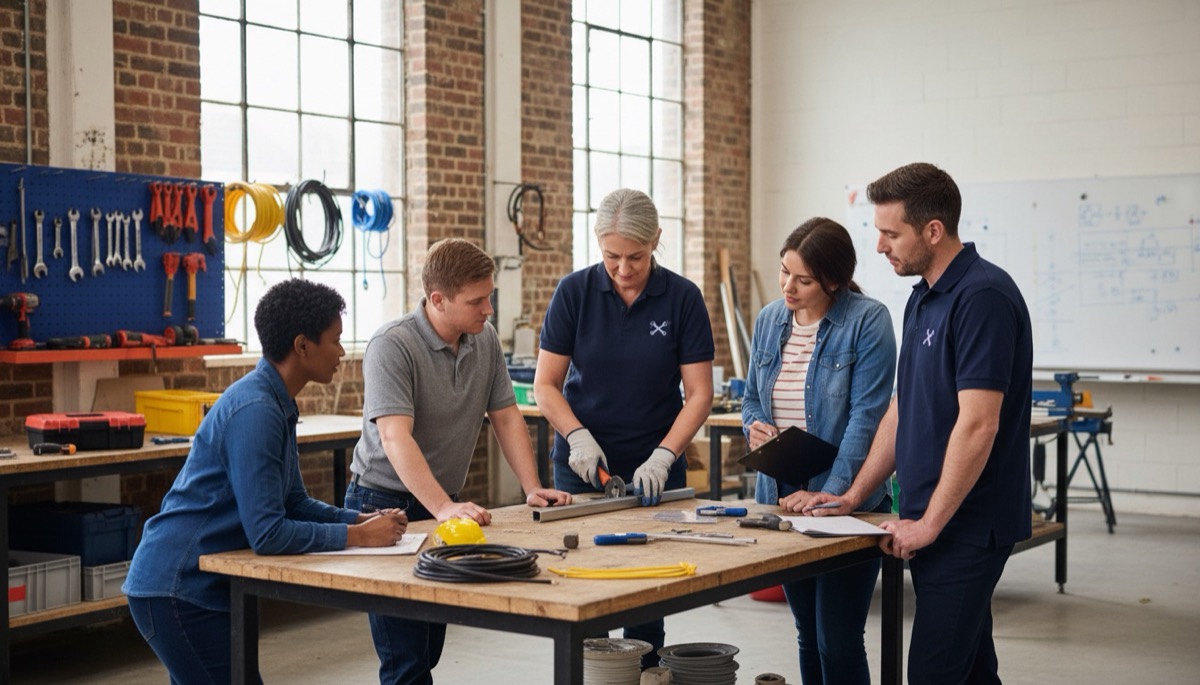
Can Tradespeople Teach Without a Degree? Routes From the Trade Into Further Education
Yes. You do not need a degree to teach a trade in UK further education. Your Level 3 trade qualification and experience are the foundation; you add a teaching qualification.
 Assessing & quality assurance
Level 4 IQA Award vs Certificate in Leading IQA: What's the Difference?
The Level 4 IQA Award (6317-41) qualifies you to quality-assure assessors. The Certificate in Leading IQA (6317-42) adds a unit on leading the function and a team.
 Teaching & training
AET vs DET: Which Teaching Qualification Do You Need?
The AET is the Level 3 entry teaching qualification; the DET was the full Level 5 one, now replaced by the Diploma in Teaching. Start with the AET, build to Level 5.
 Assessing & quality assurance
CAVA vs the Level 3 Award in Assessing Competence: Which Do You Need?
The Level 3 Award (6317-31) covers workplace assessment only; the CAVA (6317-33) adds centre-based assessment. Choose the CAVA unless you only ever assess on the job.
 Assessing & quality assurance
How to Become a Vocational Assessor in the UK
To become a vocational assessor you need occupational competence in your trade plus an assessor qualification such as the CAVA, and access to real learners.
 Teaching & training
How to Become a Construction or Trade Tutor in the UK
To teach your trade in UK further education you need Level 3 occupational competence and a teaching qualification such as the AET, then the Diploma in Teaching.
 Teaching & training
Tutor, Assessor or IQA? How to Choose Your Path From the Trade Into Training
A tutor teaches, an assessor judges learners against a standard, and an IQA checks assessors. Here's what each does, the qualification for each, and how to choose.
 Assessing & quality assurance
What Is an IQA, and How Do You Become an Internal Quality Assurer?
An IQA checks assessors' decisions to keep assessment fair and consistent. To qualify you take a Level 4 IQA award and assure real assessors in your subject.
 Retrofit & insulation
What Does a Retrofit Coordinator Do, and How Do You Become One?
A retrofit coordinator project-manages a PAS 2035 retrofit from assessment to evaluation. You need the Level 5 Diploma, then registration with a TrustMark scheme.
 Assessing & quality assurance
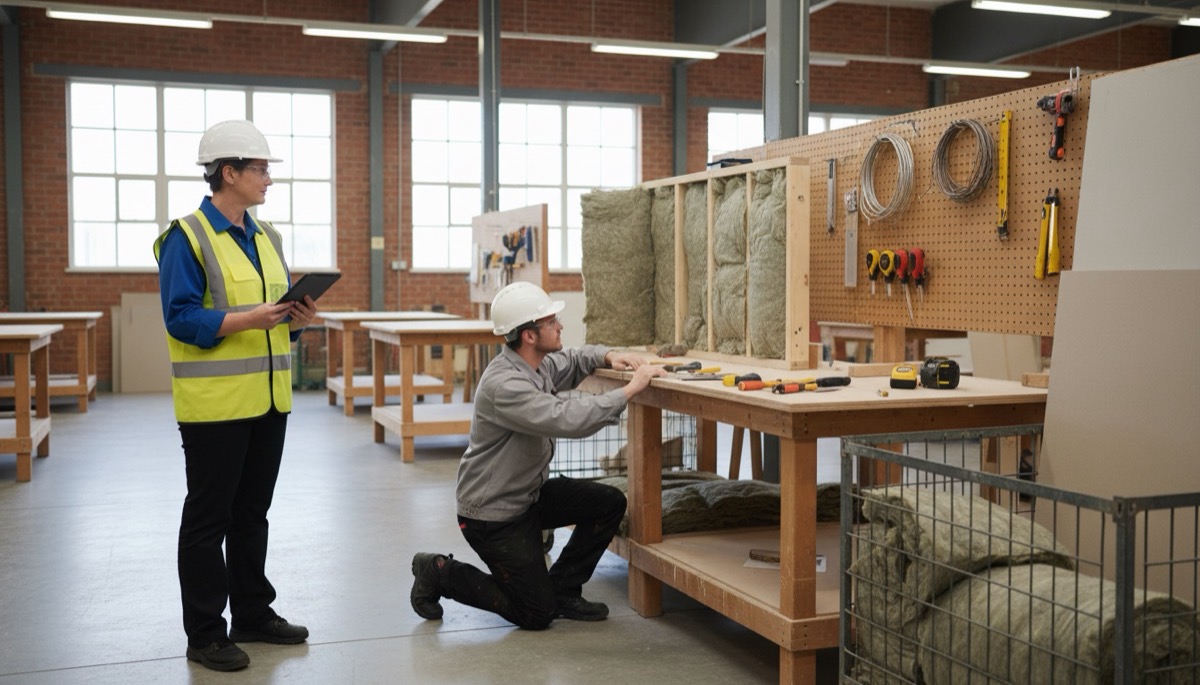
What Is the CAVA (Level 3 Certificate in Assessing Vocational Achievement)?
The CAVA is the full Level 3 assessor qualification: 15 credits, 84 guided learning hours, three units covering assessment principles, workplace competence and skills.
 Teaching & training
What Is the Level 3 Award in Education and Training (AET)?
The AET is the entry teaching qualification for UK further education and training. It is 12 credits, 48 guided learning hours, and includes an observed micro-teach.
 Retrofit & insulation
How to Stop Condensation and Damp Behind Internal Wall Insulation
Preventing damp behind IWI takes four things: a moisture-open build-up or ventilated cavity, continuous ventilation, airtight detailing, and protected joist ends.
 Retrofit & insulation
How to Become a Retrofit Installer in the UK: The Complete Guide
To work on funded retrofit you need a measure-specific NVQ, an employer certified to PAS 2030 and registered with TrustMark, and usually a CSCS card. Full guide.
 Retrofit & insulation
Internal vs External Wall Insulation: Which Is Right for a Solid-Wall Home?
Choose external wall insulation where the facade can change and access allows. Choose internal where it cannot. Both target a 0.30 W/m²K U-value under Part L.
 Retrofit & insulation
ECO4 Ends on 31 December 2026: What It Means for Insulation Installers
ECO4 closes on 31 December 2026 with no successor supplier obligation. Funding moves to Warm Homes Plan grants, which still require TrustMark and PAS 2030.
 Retrofit & insulation
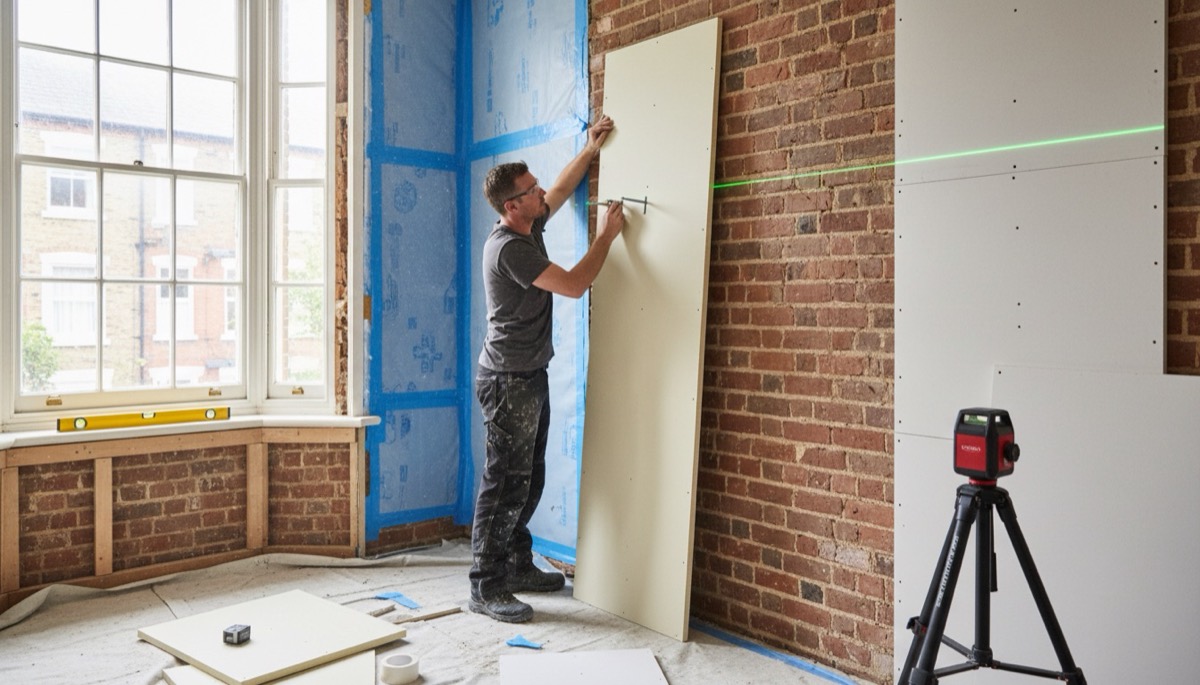
What Qualifications Do You Need to Install Internal Wall Insulation in the UK?
To install IWI on PAS 2030 or funded jobs you need a regulated qualification for that measure, usually a Level 3 NVQ, with at least 1 qualified operative per team of 4.
 Retrofit & insulation
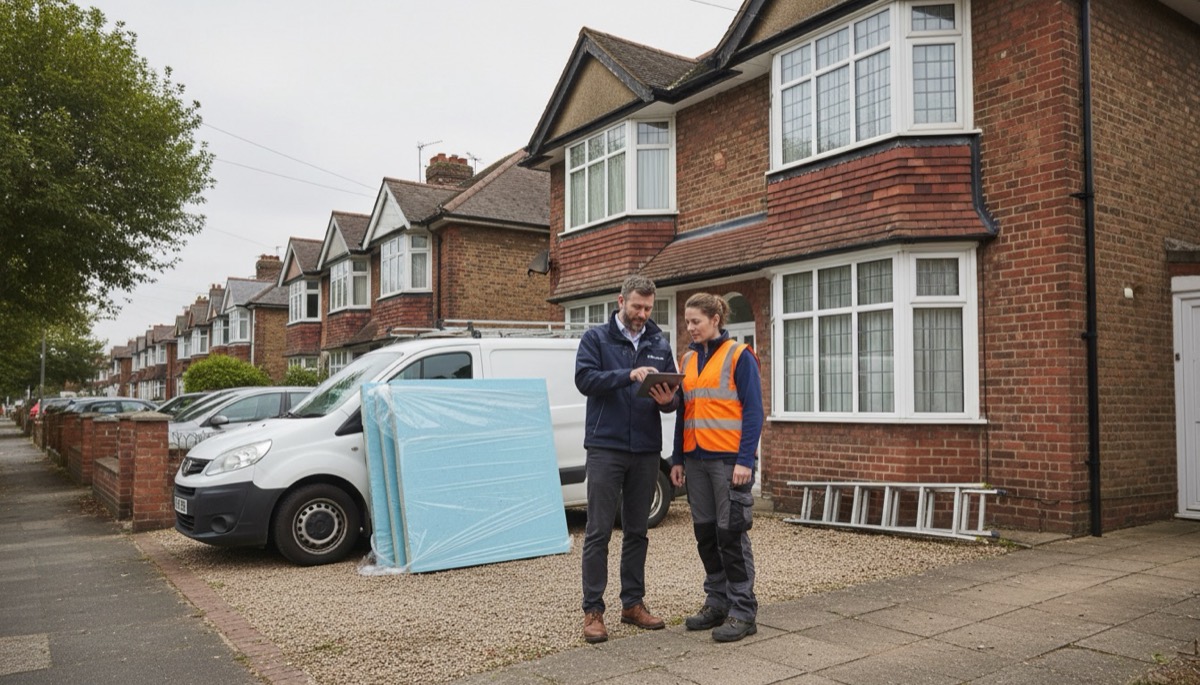
PAS 2030 vs PAS 2035: What's the Difference for Installers?
PAS 2030 covers how energy efficiency measures are installed; PAS 2035 covers how the whole home is assessed, designed and coordinated. Funded jobs need both.